
Indoor Air Quality After Electrification
Updated 2026-08-16 · 6 min read
Gear this guide recommends
We earn a commission if you buy through links on this page, at no extra cost to you. It does not change what we recommend. See our affiliate disclosure. As an Amazon Associate I earn from qualifying purchases.

Battery CO alarm
Kidde COBD10 Carbon Monoxide Alarm
Best for: Every level of the home and outside sleeping areas, before generator season
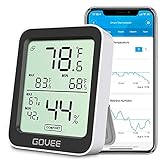
Best for: Knowing your real indoor humidity, and tracking it across a season
Jump to a section▾
Electrification changes indoor air in one clear way (combustion sources leave) and leaves several other things unchanged. Understanding both halves prevents both complacency and overclaiming.
What changes indoors
| Source removed | Effect |
|---|---|
| Gas cooktop combustion | No more NO₂, CO or PM from burners |
| Gas furnace combustion | No flue, no backdraft risk |
| Gas water heater | Same |
| Unburned methane leakage | Eliminated with the appliance |
| Still required after | Why |
|---|---|
| Range hood, ducted | Cooking itself makes particulates regardless of fuel |
| Bath exhaust | Moisture |
| Mechanical ventilation (HRV/ERV) | A tight all-electric house still needs fresh air |
| CO alarms | Attached garage, fireplace, neighbouring units |
Removing combustion removes a real source, but cooking still generates particulates: searing, frying and toasting produce PM2.5 on induction exactly as on gas. Keep using a ducted hood.
What indoor pollutants does electrification remove?
Combustion byproducts from appliances. Each converted appliance removes a fuel-burning source from inside the building.
The most significant is cooking, because a gas range vents into the kitchen unless a ducted hood is present, adequately sized and actually used, which is far from universal. Furnaces and water heaters are vented, so their byproducts normally leave the house; cooking's normally don't. See gas stove indoor air quality.
Backdrafting and venting failure risk. A vented appliance sends byproducts outside when the venting works. Blocked flues, deteriorated vent connectors and depressurization-induced backdrafting are real failure modes. Remove the appliance and you remove the failure mode.
Gas leak risk at that appliance and its connection.
CO risk from that appliance.
Does induction cooking still need a range hood?
Cooking emissions. Frying, searing and high-heat cooking produce grease aerosols, smoke and fine particulates regardless of the heat source. Induction changes what's not in the plume, not whether there's a plume.
So keep the range hood, and keep using it. A ducted hood vented outside remains the right answer; recirculating hoods filter grease but return moisture and fine particulates to the room. See replacing a gas range with electric.
One genuine improvement: induction puts far less heat into the room, so the thermal plume is smaller and a hood can often be effective at a lower, quieter fan speed. Since noise is the main reason people don't run hoods, that's a real behavioral benefit.
Moisture. Showers, cooking, laundry and occupants all add humidity. Managing it matters for comfort and for mold. See home humidity control.
Radon, where present, entirely independent of fuel choice.
Off-gassing from materials, furnishings and finishes.
Outdoor air pollution entering the house.
Attached garage sources: vehicle exhaust, stored fuels and solvents.
The tighter-envelope interaction
This is the part that deserves the most attention, because electrification projects usually include air sealing.
A tighter house exchanges less air with outdoors. That's the point: it's why the envelope work saves energy. But it also means anything released indoors accumulates rather than diluting away.
So the same house, tightened, concentrates whatever sources remain.
The answer is mechanical ventilation, sized and planned as part of the tightening rather than added later when someone notices stuffiness. Options range from simple exhaust ventilation to balanced systems with heat recovery.
If you're doing substantial air sealing, raise ventilation with your contractor explicitly. A good energy auditor will bring it up unprompted. See home energy audit before electrifying.
During the transition: the risky window
Partial electrification is when air quality risk is highest, not lowest, and this deserves emphasis.
Two mechanisms:
1. Orphaned venting. Remove a furnace and a remaining gas water heater may be left on an oversized flue that no longer drafts properly, potentially spilling combustion gases including CO into the house. This is created by an otherwise sensible partial conversion. See orphaned water heater venting.
2. Depressurization. Air sealing plus powerful exhaust fans can pull against a remaining combustion appliance's draft, causing spillage. A tightened house with a big range hood and a natural-draft water heater is the classic combination.
So during the transition:
- Have combustion safety testing done whenever you remove an appliance from a shared vent or substantially tighten the envelope. It's usually included in a professional energy audit.
- Keep CO alarms working and tested on every level of the home
- Ask contractors explicitly whether removing this appliance affects the venting of anything remaining
Do you still need CO alarms in an all-electric home?
Even in a fully electric home, keep them:
- Attached garages: vehicle exhaust migrates
- Neighboring units in attached housing
- Portable generators during outages, which are a leading CO hazard. See carbon monoxide safety.
- Many jurisdictions require them regardless of fuel
They're inexpensive and the failure mode they guard against is severe.
Humidity, in both directions
Electrification shifts humidity dynamics slightly:
Heat pumps dehumidify in cooling mode, which helps in summer.
Heat pump water heaters dehumidify the space they're in, genuinely useful in a damp basement. See heat pump water heater placement requirements.
Heat pump dryers condense moisture and drain it rather than exhausting it. Note that they don't remove house air the way a vented dryer does, which is an energy benefit but means slightly less incidental air exchange. See heat pump dryers explained.
Winter dryness can increase in a tight house with electric heat. A humidifier may be worth considering, balanced against not over-humidifying, which causes condensation problems.
A practical checklist
- Ducted range hood present, adequately sized, and used every time you cook
- Bath fans vent outside, not into the attic
- Mechanical ventilation planned if the envelope was substantially tightened
- CO alarms on every level, tested
- Combustion safety testing done during any partial-conversion stage
- Venting of remaining gas appliances evaluated after each removal
- Humidity monitored, ideally with a simple hygrometer
- Radon tested, independent of fuel choice
- Unused flues capped and sealed: what to do with an unused chimney
The bottom line
Electrification removes combustion sources from inside the home, most meaningfully gas cooking, which vents into the room. It doesn't remove cooking particulates, moisture, radon or off-gassing, so ventilation still matters and the range hood still earns its keep. The riskiest period is the middle of the transition, when orphaned venting and a tightened envelope can make a remaining combustion appliance less safe than it was, so test, keep CO alarms working, and ask contractors about venting every time an appliance comes out.
Baseline your home with the home energy score calculator, model costs with the electricity cost calculator, or read orphaned water heater venting.
Standards and code reference
The standards behind this guide, for looking up in the edition your jurisdiction has adopted:
- ASHRAE 62.2: whole-house and local ventilation rates
- IRC R315: carbon monoxide alarms, still required where any combustion or attached garage remains
Code editions and local amendments vary. Confirm the adopted edition with your AHJ, and treat manufacturer instructions as governing wherever they are more restrictive.
Frequently asked questions
Ask AI about this
Open an AI assistant with a question grounded in this page.