
kWh to kW Calculator
Convert kWh to kW by averaging the energy over the hours it took. WattSimple goes one step further and separates average demand from the peak a demand meter actually bills, the distinction that makes commercial electricity bills confusing.
730 h ≈ one billing month · 24 h = one day
Energy charge vs demand charge
Commercial tariffs only: set to 0 for residential
Averaging kWh over a period gives average kW, not billed demand. A demand meter records the highest 15-minute interval in the billing period, so the number that gets charged is a multiple of the average, typically 2× to 3× for a commercial site with normal load variation.
Average power
1.233 kW
- Energy
- 900 kWh
- Average demand
- 1.233 kW
- Likely billed peak
- 3.08 kW
- Energy charge
- $153
- Demand charge
- $46.23
- Total
- $199.23
Rates and demand charges are user inputs because both vary by utility and tariff: check your bill for the figures that apply to you. Default energy rates come from the EIA state averages.
kWh to kW conversion table
kW = kWh ÷ hours. The same amount of energy is a very different power depending on how long it took, so each kWh figure below is shown as the average kW over an hour, a day, a billing month (730 h) and a year (8,760 h).
| Energy | Over 1 hour | Over 1 day24 h | Over 1 month730 h | Over 1 year8,760 h |
|---|---|---|---|---|
| 1 kWh | 1 kW | 0.042 kW | 0.001 kW | 0.0001 kW |
| 5 kWh | 5 kW | 0.208 kW | 0.007 kW | 0.0006 kW |
| 10 kWh | 10 kW | 0.417 kW | 0.014 kW | 0.0011 kW |
| 24 kWh | 24 kW | 1 kW | 0.033 kW | 0.0027 kW |
| 50 kWh | 50 kW | 2.083 kW | 0.068 kW | 0.0057 kW |
| 100 kWh | 100 kW | 4.167 kW | 0.137 kW | 0.0114 kW |
| 250 kWh | 250 kW | 10.417 kW | 0.342 kW | 0.0285 kW |
| 500 kWh | 500 kW | 20.833 kW | 0.685 kW | 0.0571 kW |
| 730 kWh | 730 kW | 30.417 kW | 1 kW | 0.0833 kW |
| 900 kWh | 900 kW | 37.5 kW | 1.233 kW | 0.1027 kW |
| 1,000 kWh | 1,000 kW | 41.667 kW | 1.37 kW | 0.1142 kW |
| 2,000 kWh | 2,000 kW | 83.333 kW | 2.74 kW | 0.2283 kW |
| 5,000 kWh | 5,000 kW | 208.333 kW | 6.849 kW | 0.5708 kW |
| 10,000 kWh | 10,000 kW | 416.667 kW | 13.699 kW | 1.1416 kW |
The US average home uses about 863 kWh a month (EIA, 2024 annual avg), an average draw of 1.18 kW, though it peaks far higher whenever the dryer, oven or AC runs. Going the other way? kW to kWh multiplies instead.
kWh to kW for solar
A solar system is sold by its peak output in kW, and its production is measured in kWh. Dividing a year’s kWh by 8,760hours gives the average kW the panels delivered around the clock, always far below the system’s rated kW, because panels produce nothing at night and less in cloud and winter. To size a system from your annual kWh, use the solar panels needed calculator, which accounts for your location’s sun hours.
Measure kilowatt-hours directly
Kilowatt-hours are what the utility bills, and converting to them means knowing the watts and the hours. A meter counts them instead. A plug-in energy meter measures one corded 120 V appliance; a whole-home monitor's sensors clip on inside the panel and log every circuit.
We earn a commission if you buy through links on this page, at no extra cost to you. It does not change what we recommend. See our affiliate disclosure. As an Amazon Associate I earn from qualifying purchases.
Plug-in power meter
P3 International Kill A Watt P4400
Best for: Measuring what one plug-in appliance really uses
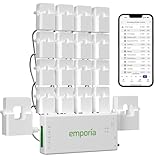
Whole-home energy monitor
Emporia Vue 3 Home Energy Monitor (16 circuit sensors)
Best for: Measuring hardwired and 240 V loads, or every circuit at once
Frequently asked questions
Ask AI about this
Open an AI assistant with a question grounded in this page.
Related tools
Related converters
Watts ↔ kWh
Convert watts to kilowatt-hours (or kWh to watts) by run time: turn an appliance's wattage into the energy it uses, the unit your utility bills.
Open converterBTU ↔ kW
Convert BTU/hr to kW, watts, and refrigeration tons (or kW back to BTU) for heat pumps, AC, and furnaces: compare heating and cooling output across units.
Open converterMWh ↔ kWh
Convert megawatt-hours to kilowatt-hours and back, plus watt-hours and gigawatt-hours. 1 MWh = 1,000 kWh. Enter any energy unit to see the rest.
Open converterkWh ↔ MWh
Convert kilowatt-hours to megawatt-hours (MWh = kWh ÷ 1,000), plus watt-hours and gigawatt-hours. For utility data, solar production, and grid-scale figures.
Open converterCite or link to this pageAPA · MLA · Chicago · HTML
Free to cite, quote and link. Copy a ready-made citation: the link back is all we ask.
- APA
WattSimple. (2026, July 19). kWh to kW Calculator. https://wattsimple.com/convert/kwh-to-kw
- MLA
"kWh to kW Calculator." WattSimple, 19 July 2026, https://wattsimple.com/convert/kwh-to-kw.
- Chicago
WattSimple. "kWh to kW Calculator." Last modified July 19, 2026. https://wattsimple.com/convert/kwh-to-kw.
- HTML link
<a href="https://wattsimple.com/convert/kwh-to-kw">kWh to kW Calculator</a> (WattSimple)
Sources & standards
This tool's methodology and data follow US standards and authoritative public datasets: